
What if You’ve Been Travelling All Wrong?
The Green Travel Guide: Mindful Travel for a Meaningful World

If you’re new here, welcome! I share three weekly newsletters through the lens of a novelist and travel writer: on Sundays in Storycraft on the art of creativity & story, Write Your Way Around the World on Tuesdays on travel writing and building a writing career you love, and The Green Travel Guide on Thursdays on mindful, slow and sustainable travel. Thanks for coming along on the journey!
Slow Travel: Why everyone is talking about it (and what it really means)
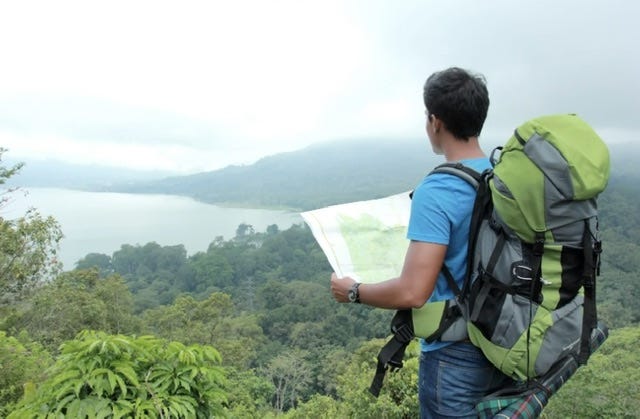
Slow travel isn’t about moving at a snail’s pace - it’s about traveling with intention. It’s not measured in miles or ticks checked off on a list of must-sees, but in meaningful moments and deeper connections. In a world obsessed with speed, instant gratification, and “seeing it all,” slow travel invites us to pause, breathe, and engage with the world differently. It’s the antidote to rushed itineraries, airport stress, and overpacked bucket lists.
Rather than racing through ten cities in two weeks, slow travellers choose to immerse themselves in a single destination—or just a few—taking the time to truly understand a place. That means staying in a local neighbourhood instead of a resort, shopping at farmers markets instead of souvenir stands, and sharing conversations with residents instead of just snapping photos of them.
Slow travel is about being somewhere, not just going there.
By staying longer and moving less, you naturally reduce your carbon footprint. Fewer flights, fewer intercity transports, and less reliance on fast travel options mean lower emissions and less environmental strain. Instead of contributing to the growing stress on over-touristed hotspots, slow travellers often explore less-visited areas, spreading the benefits of tourism more evenly and sustainably.
But the advantages of slow travel go far beyond the ecological. You also avoid the burnout that so often accompanies whirlwind trips. You give yourself space to rest, reflect, and absorb your surroundings—not just skim the surface. You might stumble upon a hidden café that becomes part of your morning ritual, get invited to a local festival, or forge genuine friendships. These aren’t things you find in a travel guide - they’re rewards for being present.
Economically, slow travel also has a positive impact. By staying longer, you contribute more steadily to the local economy. You’re more likely to dine at neighbourhood restaurants, support small businesses, and use locally owned accommodations. Your money stays in the community, rather than being funnelled into large multinational chains that dominate the high-speed tourism industry.
Slow travel also encourages a shift in mindset—from consuming a destination to connecting with it. It invites you to ask questions like: What’s life like here? What stories does this place hold? How can I engage respectfully with its people and traditions?
Instead of collecting places like trophies, you begin to develop relationships with them. You become more than a visitor—you become a temporary participant in the life of the place.
This approach also offers an opportunity to better understand yourself. With more time and fewer distractions, slow travel opens space for reflection. You may find that your favourite moments weren’t the ones on your itinerary, but the spontaneous ones: a quiet morning watching the sunrise, a heartfelt conversation in broken language, or a shared meal with new friends.
In a world where travel is often marketed as a race to see more, faster, bigger - slow travel asks us to redefine what makes a trip meaningful. It’s not how many places you’ve been that matters, but how deeply you’ve known them.
So the next time you’re planning a trip, consider this:
What if you visited fewer places, but experienced them more fully? What if your travel stories weren’t about how many landmarks you saw, but about the friendships you made? What if we stopped collecting destinations - and started connecting with them?
Slow travel isn’t just a trend. It requires a mindset shift, away from consumption, towards connection.
Here are five examples of ways to slow down your travel:
1. Spending a Month in a Village in Tuscany, Italy
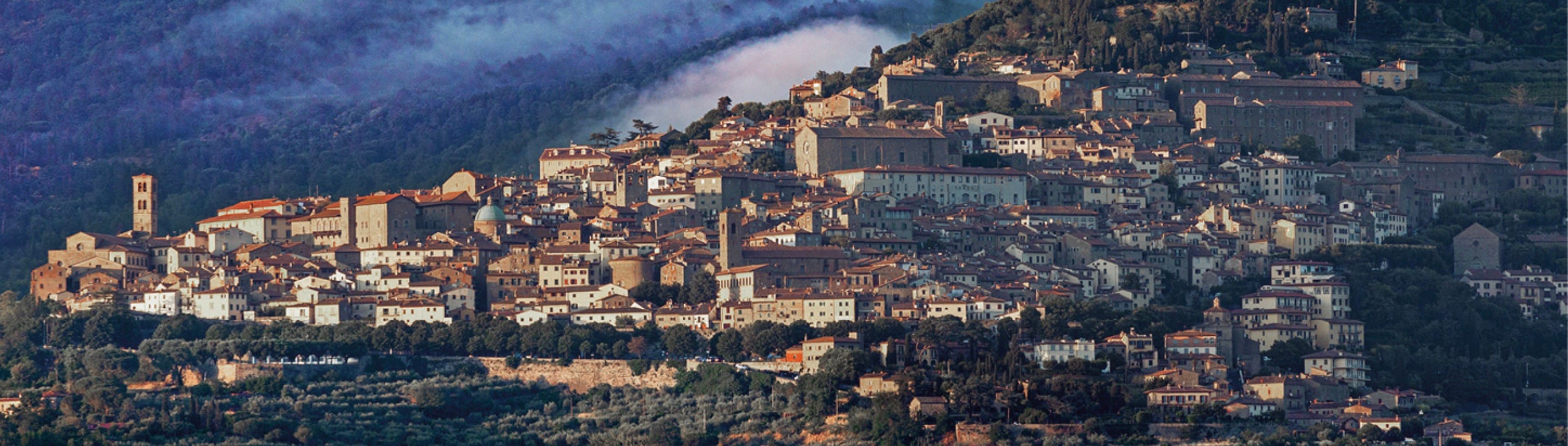
The slow travel issue: Rushing through Europe in a week, hitting Rome, Florence, Venice, and beyond, often leads to burnout and superficial experiences. You’re on the same circuit as countless others. You’re following a list of must-sees rather than genuinely exploring.
The slow choice: Instead of city-hopping, why not rent an apartment in a smaller Tuscan town or village like Cortona or Pienza, staying for several weeks. Imagine shopping at the local market, joining cooking classes, learning basic Italian, and becoming temporary locals.
Why it matters: This fosters a deeper cultural connection, reduces transport emissions, supports small businesses, and offers a more restorative, rooted experience of Italian life. You’re return home feeling that you’ve really connected with life in Italy, you’ve learned more, made new friendships, and return more rested, less stressed.
2. Walking the Camino de Santiago in Spain
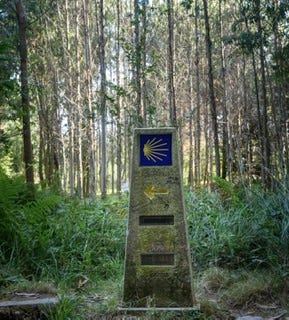
The slow travel issue: Pilgrimage routes are often replaced by bus tours or express train stops, missing the spiritual and communal aspect of the journey. Take things at your own pace, enjoy the scenic route and earn that arrival in Santiago.
The slow choice: Imagine walking the Camino Francés, a 480-mile pilgrimage across northern Spain. The journey can take 3–6 weeks, involving daily walking, simple accommodations, and shared meals with fellow pilgrims. Most people find that they make life-long friendships along the way.
Why it matters: The pace invites reflection, personal growth, and human connection. Walking instead of driving significantly reduces environmental impact and shifts the focus from consumption to presence.
3. Taking the Trans-Mongolian Railway Across Mongolia to China
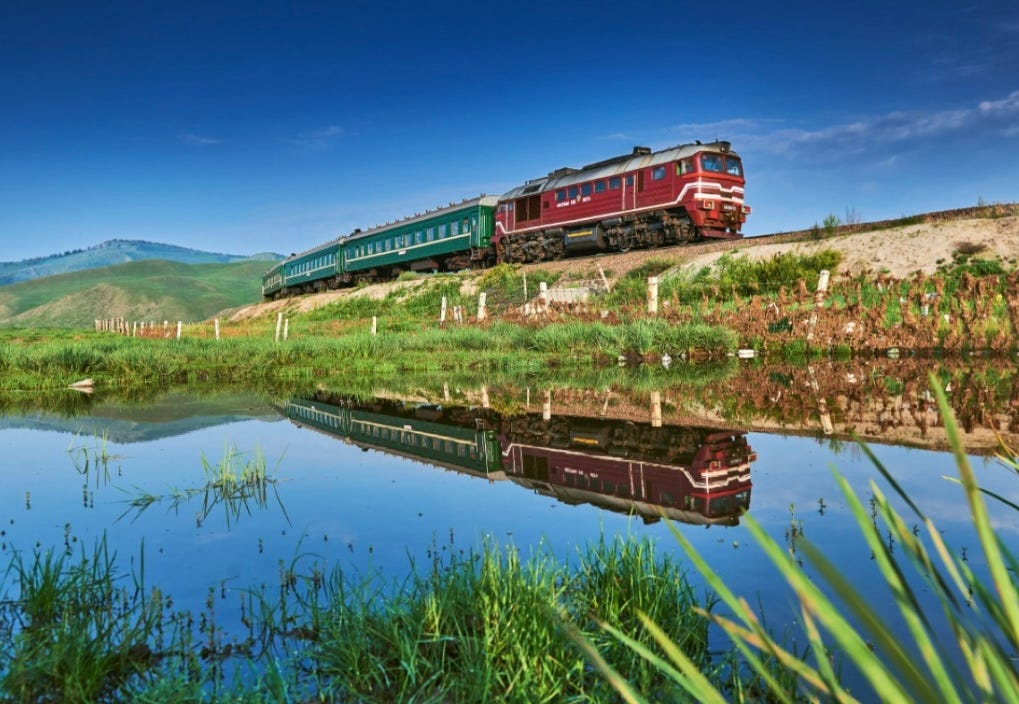
The slow travel issue: Flying across continents in hours offers convenience but little context or connection. Below you past entire worlds, undiscovered and unseen.
The slow choice: Imagine taking the Trans-Mongolian Railway - from Ulaanbaatar to Beijing. Witness taiga, vast steppes, the Gobi desert, grasslands and go yurt-spotting, connect with locals, and experience a slower pace over several days of cinematic travel.
Why it matters: Train travel produces far fewer emissions than flights and allows for deep immersion in geography, language, and culture over time.
4. Volunteering on Organic Farms in New Zealand
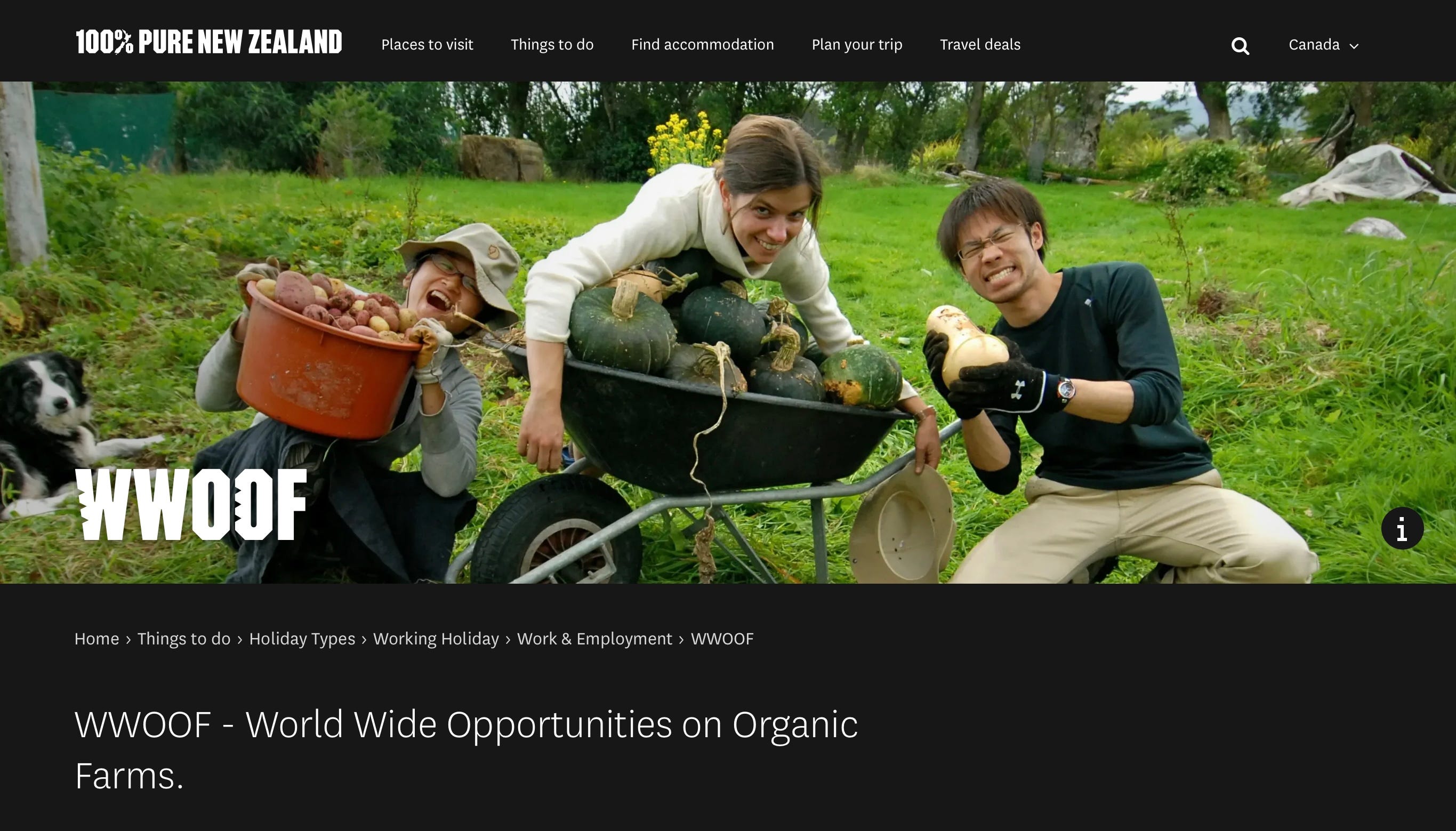
The slow travel issue: Backpackers often speed through countries, seeing only highlights and staying in hostels that isolate them from local life.
The slow choice: Through programmes like WWOOF (World Wide Opportunities on Organic Farms), you can spend several weeks working on farms in places like Rotorua or Wanaka, learning about permaculture, food systems, and sustainable living.
Why it matters: It reduces costs, cuts down on transport, creates meaningful exchange, and helps travellers engage with environmental practices at a grassroots level.
5. Exploring Japan by Local Train and On Foot
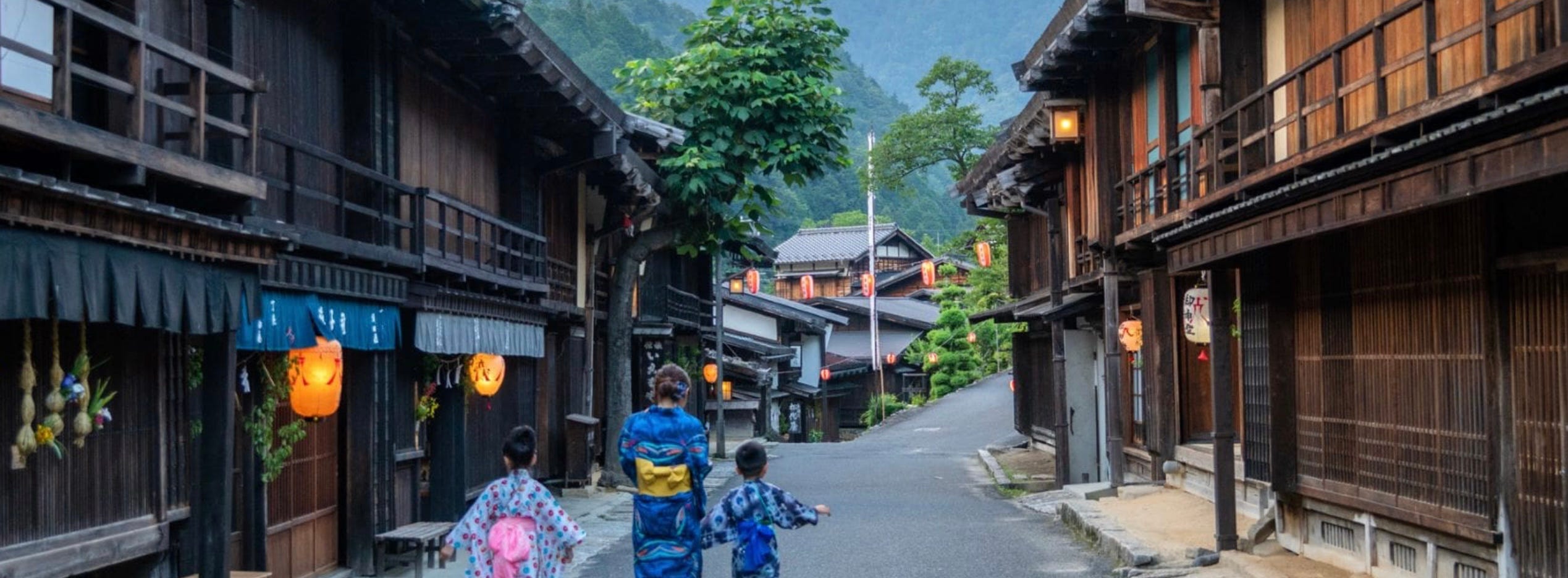
The slow travel issue: Japan’s bullet trains make it tempting to speed through major cities like Tokyo, Kyoto, and Osaka in just a few days. Again, that tendency to have a checklist of places to visit and things to do can be strong on a trip to Japan, an expensive destination for many travellers.
The slow choice: Let yourself explore more freely. Discover Japan’s countryside by local trains, walking trails, and staying in ryokans (traditional inns). For example, hiking the Kumano Kodo pilgrimage routes or staying in rural towns along the Nakasendo Trail, while enjoying homemade meals and hot springs.
Why it matters: This slower pace nurtures appreciation for regional traditions, supports rural revitalisation, and shifts the focus from sightseeing to soulful travel experiences.
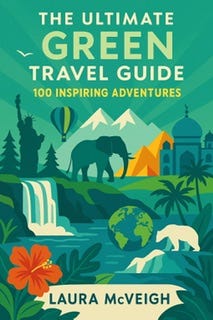
For more green travel ideas, check out the upcoming The Ultimate Green Travel Guide: 100 Inspiring Adventures. Find out more and pre-order your copy below.
Join the Explorers’ Club

Want access to all the new Green Travel Guides, Mini-Guides and Slow City Guides for the next 12 months? Then sign up to the paid tier for 6€ a month (the cost of a coffee!) and receive membership benefits worth over $200. Each month you’ll receive the latest guides (full of curated itineraries and green travel experiences) for free for a year.
You’ll also get access to all the Writer’s Edition benefits (including full access to Travel Journal Club, full archives and full upcoming interviews with adventurers, travel writers and photographers) - to spark your slow travel inspiration.
If you’ve enjoyed this green travel content and found it helpful, consider sharing, restacking, commenting, subscribing or recommending. 🗺️ 🌍💚
Happy Travels,
Laura
Laura McVeigh
Author, Travel Writer, Founder - Green Travel Guides
lauramcveigh.com | lauramcveightravel.com | travel-writing.com | greentravelguides.world
Laura McVeigh is a Northern Irish novelist and travel writer. Her work is widely translated and her latest novel Lenny is set between the desert in Libya and the bayou in Louisiana. She has authored books for Lonely Planet, DK Travel, bylines in the Irish Times, Irish Independent, featured by the BBC, Newsweek, New Internationalist & many more. Former CEO for a global writers’ organisation, working with writers from 145 countries. She is founder of Travel-Writing.Com and Green Travel Guides. Laura writes on storytelling, travel writing and mindful travel on Substack.
Great article. Very informative with great suggestions. It would be my dream to spend a month in one place and immerse myself in it. Have to get thinking and planning it.
I think slow travel also makes a philosophical argument against the social media-driven idea that one can find information and understanding in 15 second bits. Slow travel posits that people and places are worth an investment of time, and that it's worth hours or days to learn about life from a new vantage point. The world doesn't fit into snapshots and video clips. It's a film, a drama, and if we're talking about Tuscany, maybe even an opera. Not an advertisement or a TikTok.